Compare restaurant menus by the meal you actually want
Build the same sample order for each restaurant, then compare the full total, portion questions and booking conditions. A headline price rarely describes an entire meal.
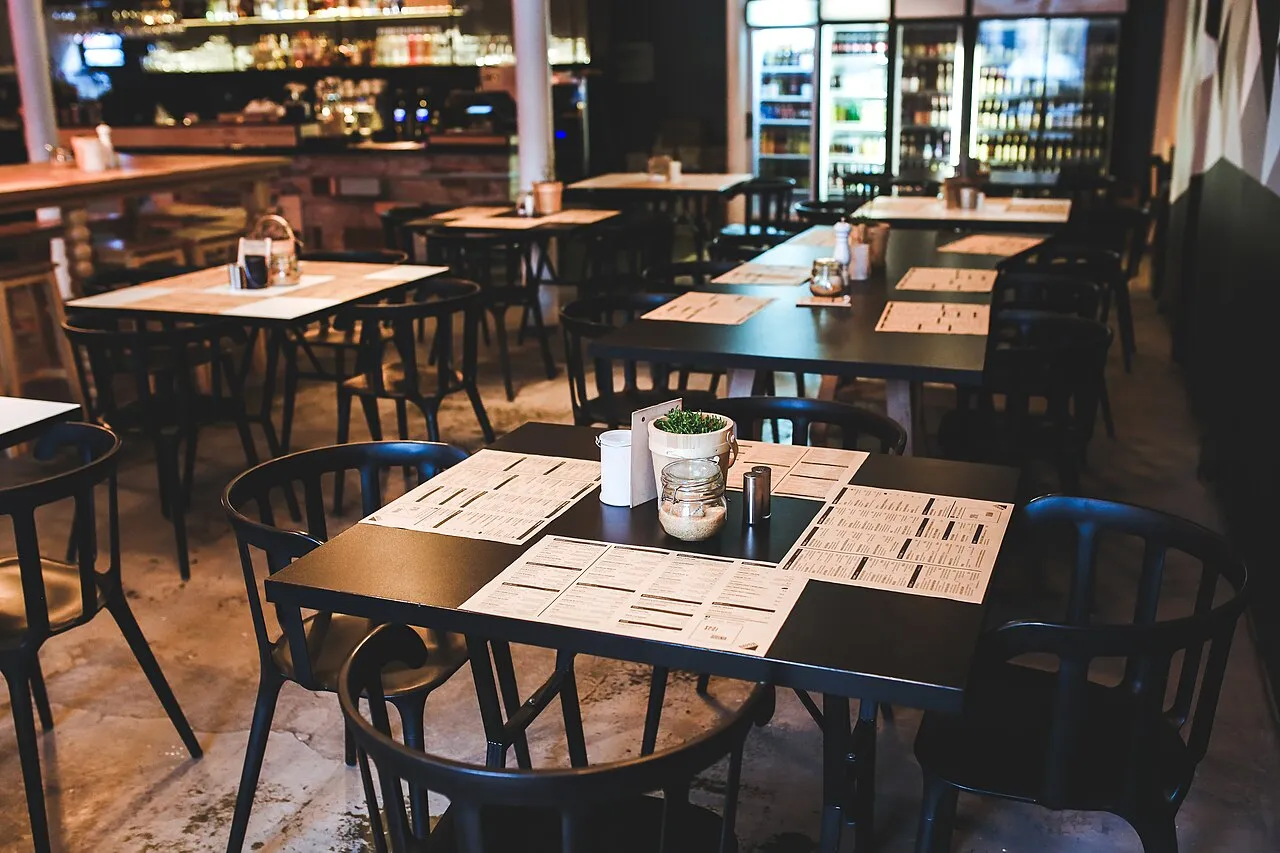
Compare restaurants using the meal you intend to order. A low starting price may describe a snack, one course or a different portion from the one your group needs. A reference order makes the comparison clearer without pretending that price alone describes the experience.
Write the order before comparing totals
Decide how many people are eating, whether each person wants a main course and whether drinks or shared dishes belong in the comparison. Use the same assumptions at each restaurant. If the menu does not say what is included, mark the question rather than treating the missing item as free.
This method can compare two real menus, but the numbers below are deliberately hypothetical. They are not current prices for Lisbon, Porto or any named business.
| Two-person example | Menu A | Menu B |
|---|---|---|
| Two main courses | €28 | €32 |
| One shared side | €6 | Included in this example |
| Two drinks | €8 | €8 |
| Comparable total | €42 | €40 |
The higher main-course price produces the lower example total because the side is included. Replace every line with the business’s actual information before making a decision.
Ask about portions and conditions
An item described as sharing may not tell you how many people it suits. Ask what comes with the dish and whether the menu changes by service or day. If a set menu is attractive, verify which choices are included and whether it is available at the time you plan to eat.
For ingredients that affect your order, ask the restaurant directly. Do not treat menu shorthand or a photograph as confirmation. This article does not assess the suitability of a particular dish for an individual dietary need.
Compare the visit as well as the food
Write down the location relative to your next activity, whether you need a reservation and what happens if you arrive late. A small price difference may matter less than avoiding a long detour between two booked visits.
Keep the cancellation or deposit conditions with any booking. Compare them separately from the menu total so that a flexible option and a fixed commitment are not treated as identical.
Make the choice explicit
Choose the restaurant that fits the meal and the day you want. Record the menu link, date checked, intended order and unresolved questions. That short note is more reusable than an unsupported claim that one venue offers the best value.
Attach the confirmed total to the travel-budget worksheet. For a more flexible break, try the Belém pastry-stop plan.
Method note
This is an original editorial comparison method. All prices in the table are invented for arithmetic illustration, and no restaurant has been visited or rated for this article.