Lisbon to Porto by train: choose the station as well as the seat
A city-to-city search is only the beginning. Read the exact stations and every connection before comparing the journey time or choosing a seat.
Choose a Lisbon–Porto train journey by reading the exact station names, not just the two city labels. The useful comparison begins at your accommodation and ends at the next accommodation. Getting to the departure platform and leaving the arrival station are part of the travel day.
CP's journey search and official timetable information should be the starting points for your date. They identify the services and stations to check; this article does not reproduce a timetable or promise that a particular train will run. CP journey search and official timetable information
Read the station names from the selected result
Write the departure and arrival stations exactly as displayed on the journey you are considering. CP's Lisbon–North timetable lists stations including Lisboa Santa Apolónia, Lisboa Oriente and Porto Campanhã. Which stops and connections apply depends on the specific service. CP Lisbon–North timetable
Do not infer that every train uses the station closest to your room. Likewise, an arrival in Porto does not mean the train has delivered you directly to the street where you want to stay. Check the onward journey and any connection shown in the booking result.
Keep the station spelling with the reservation. It is more useful than a note saying only “Lisbon train.”
Compare the complete journey
For each option, add the trip from the room to the departure station, time to find the platform, the rail journey and the final approach to the next room. Use current operator information for those transport stages.
An apparently shorter train journey may offer little advantage if it starts at a less useful station for your address. A later service may also affect check-in or leave less room to handle a changed connection. Compare the consequences rather than only the headline duration.
| Stage | What to record |
|---|---|
| Before the train | Checkout, bags, route to the correct station and arrival margin |
| Rail journey | Date, service, exact stations and any stated connection |
| After the train | Onward transport, building approach and check-in window |
| Alternative | A workable response if the chosen plan changes |
Use the arrival-with-luggage checklist when evaluating the last part. Keep access needs and the practical weight of your bags visible alongside time and cost.
Read the conditions attached to the fare
Compare the class, included arrangements and change or cancellation conditions of the fare you are actually selecting. A lower advertised price may apply to a different departure or a different set of conditions. Read the current offer rather than transferring assumptions from another ticket.
If the booking provides a carriage and seat, keep that information accessible with the journey details. If traveling together, review the actual seating arrangement offered before confirming rather than assuming adjacent seats follow automatically from one purchase.
Ask the operator directly about any requirement the booking page does not resolve, including luggage or assistance. Do not use a general travel article as a substitute for an operator-specific condition.
Make luggage part of the transfer plan
Prepare a bag arrangement you can manage through the whole journey, including station access and any change of service. Keep documents and essentials accessible without unpacking the main case.
If there is a long gap before the next room is available, check a specific storage arrangement. Record hours, location, conditions and cost. Arriving at the city does not automatically provide somewhere to leave bags.
For an overnight change of city, confirm the next property's check-in window. A late rail arrival and an unconfirmed host meeting can become the same problem viewed from two sides.
Recheck before setting off
Read current notices and the information for the actual departure. Save the reservation and the route to the station somewhere you can access without relying on a fresh connection. On the day, use the station's current departure information for the platform and any announced change.
Keep a separate line for onward transport in the budget. The whole-stay accommodation comparison can help you see when station convenience changes the value of a room.
Sources and planning notes
CP reference pages checked on 12 November 2026. This is an editorial booking checklist, not a live timetable, fare quote or guarantee of service. Verify the selected train, station names, ticket conditions and notices directly with CP before traveling.
Cover photograph
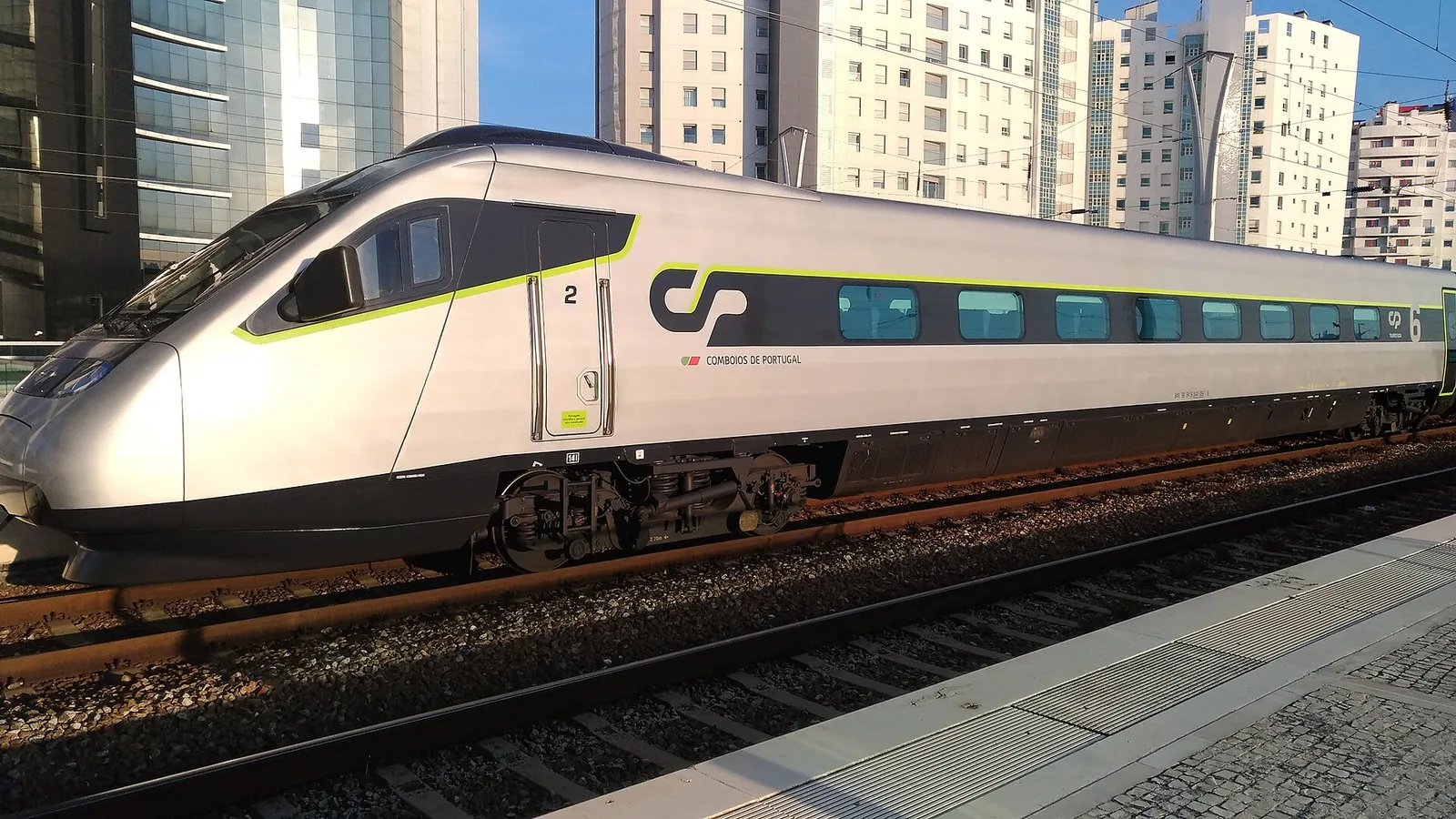
Photo: LuisFerreira4x4, Alfa Pendular New Livery.jpg, CC0. Source date: 2017-04-08 19:14:21. Wikimedia Commons supplied a proportionally resized version; no content changes by Roam & Plate.