Plan three dinners with one shopping list
Choose three manageable meals, record the quantities for each and combine ingredients only after the individual recipes make sense. Keep an alternative for the busiest evening.
Recipe
Ingredients
- 160 g dried pasta, for dinner one.
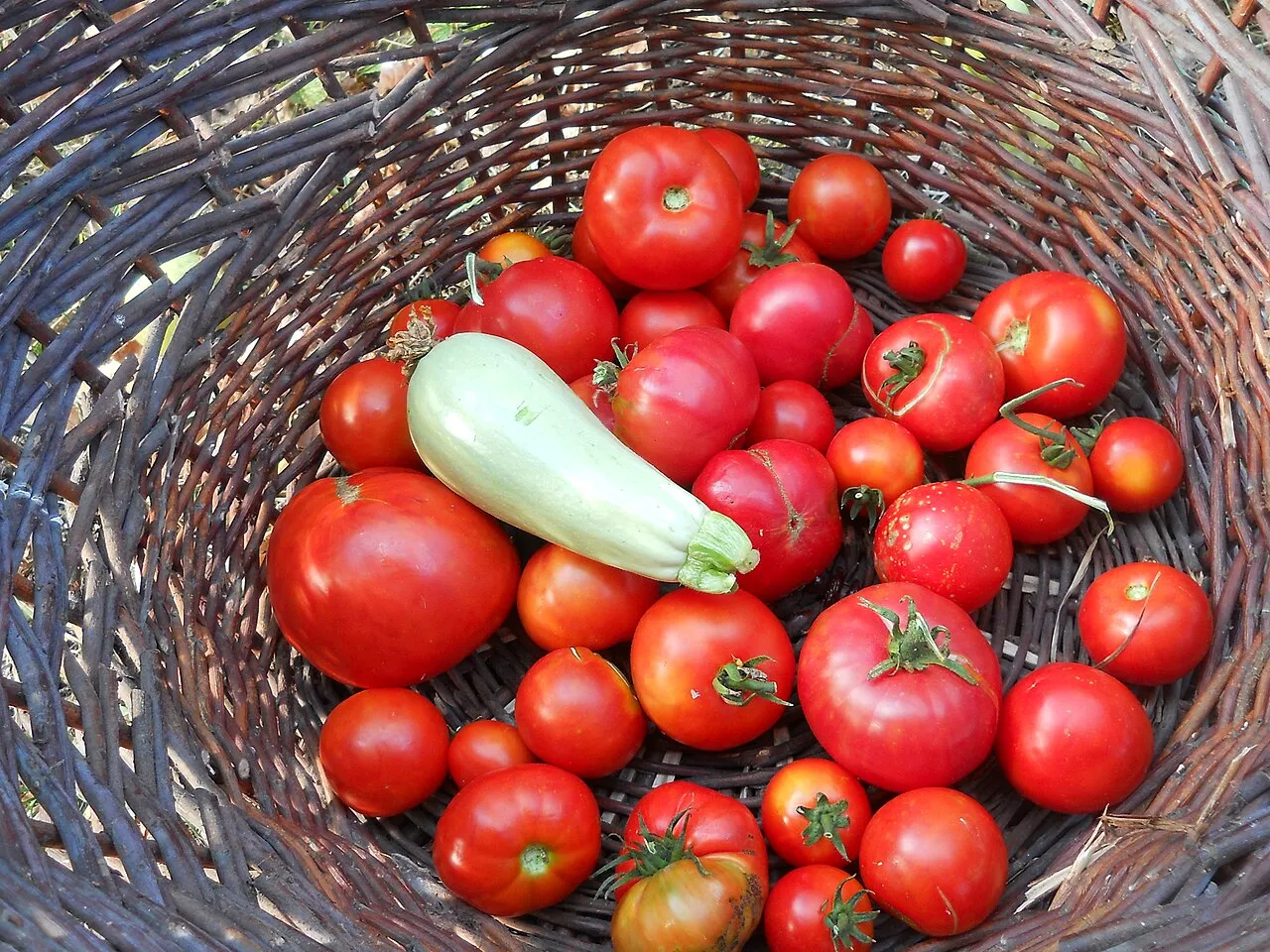
- 2 cans (400 g each) chopped tomatoes with juice: one can for dinner one and one for dinner two.
- 2 cans (400 g each) chickpeas, drained and rinsed: one can for dinner two and one for dinner three.
- 300 g fresh spinach: 100 g for each dinner.
- 1 medium onion (about 150 g), diced: half for dinner one and half for dinner two.
- 4 garlic cloves, finely chopped: two for dinner one and two for dinner two.
- 3 tablespoons (45 ml) olive oil: one tablespoon for each dinner.
- 1 teaspoon ground cumin, for dinner two.
- 4 slices whole-grain bread (about 160 g), for dinner two.
- 160 g instant couscous, for dinner three; not pearl couscous.
- 1 lemon, to provide about 2 tablespoons (30 ml) juice for dinner three; add gradually to taste.
- Up to 3/4 teaspoon salt in total: up to 1/4 teaspoon for each dinner, adjusted to taste.
- Up to 3/8 teaspoon ground black pepper in total: up to 1/8 teaspoon for each dinner, adjusted to taste.
- Water for cooking pasta and preparing couscous, in the amounts specified on their packets; a small extra splash if a tomato sauce needs loosening.
Method
- Before shopping, assign the three dinners to three evenings and check your cupboards. The ingredient list covers three separate dinners for two people. Cook each dinner on its planned evening.
- Dinner one — tomato and spinach pasta: cook the 160 g pasta according to its packet instructions. Before draining, reserve a little of the cooking water.
- Heat 1 tablespoon olive oil in a large skillet over medium heat. Add half the onion and cook for about 6–8 minutes until softened, then stir in 2 garlic cloves for about 30 seconds.
- Add 1 can chopped tomatoes with its juice and simmer for about 10 minutes, stirring occasionally. Add 100 g spinach and stir until wilted. Season with up to 1/4 teaspoon salt and 1/8 teaspoon pepper, adjusting to taste.
- Toss the drained pasta with the sauce. Add a little reserved pasta water if needed, then divide between two bowls.
- Dinner two — chickpea and tomato skillet: heat 1 tablespoon olive oil in a large skillet. Soften the remaining half onion over medium heat for about 6–8 minutes, then stir in the remaining 2 garlic cloves and the cumin for about 30 seconds.
- Add the remaining can of tomatoes with its juice and 1 can drained chickpeas. Simmer gently for about 10–15 minutes, stirring occasionally. Add a small splash of water if the sauce becomes too thick.
- Add 100 g spinach and stir until wilted and the chickpeas are hot throughout. Season with up to 1/4 teaspoon salt and 1/8 teaspoon pepper, adjusting to taste. Divide between two bowls and serve with the four slices of bread.
- Dinner three — lemon chickpea couscous: prepare the 160 g instant couscous using the water quantity, covering instructions and standing time on its packet.
- While the couscous stands, heat the final 1 tablespoon olive oil in a skillet. Add the remaining can of drained chickpeas and the final 100 g spinach. Add a small splash of water if needed and stir over medium heat until the spinach has wilted and the chickpeas are hot throughout.
- Fluff the couscous with a fork and fold in the chickpeas and spinach. Add lemon juice gradually, using up to about 2 tablespoons, and season with up to 1/4 teaspoon salt and 1/8 teaspoon pepper to taste. Divide between two bowls.
- After each dinner, record what was actually used and any change in portion needs. Use those observations to adjust the next shopping list. This example does not provide storage or reheating instructions.
Plan three dinners by choosing the evenings first and the recipes second. A meal that suits a free afternoon may be a poor fit after a late journey home. The aim is a usable list with a reason for each purchase, not a complicated weekly schedule.
Give each evening a job
Choose one familiar meal, one meal you want to learn and one deliberately simple option. Put the new method on the evening with the most room for preparation and questions. Safefood’s meal-planning guidance suggests checking what you have and introducing new recipes when time allows.
Write the number of people and the role of each dish. A side salad and a complete main meal should not be combined simply because both use the same vegetable.
Keep the recipe quantities separate first
Before adding up purchases, build a small matrix. The example below shows the structure, not a tested three-meal menu or a nutritionally assessed plan.
| Ingredient | Dinner one | Dinner two | Dinner three | Total to check |
|---|---|---|---|---|
| Ingredient A | Recipe amount | Recipe amount | Not used | Add the first two |
| Ingredient B | Not used | Recipe amount | Recipe amount | Add the last two |
| Ingredient C | Recipe amount | Not used | Not used | Keep original amount |
Replace the labels with your chosen recipes and keep the original units. Check whether a quantity refers to the purchased ingredient or a prepared amount before combining it with another line.
Subtract what is genuinely available
Check cupboards, fridge and freezer before shopping. Read the ingredient’s label and relevant storage instructions. Mark whether the amount at home covers the planned use; “we have some” is not a quantity.
Group the remaining purchases by where you will find them. Keep optional garnishes separate so a missing extra does not make the entire plan feel impossible.
Make substitutions deliberately
An ingredient shared across two meals can simplify shopping, but that alone does not make it interchangeable. Use a variation supported by the recipe, or choose another recipe. Keep substitutions that have not been tested in your notes rather than describing them as reliable equivalents.
Leave one evening easy to change. The useful fallback may be a familiar meal using ingredients you already know how to prepare, rather than a second new method.
Keep a note after cooking
Record what was actually used, which step took longer and what remained. That gives the next shopping list evidence from your kitchen. Start with the recipe-readiness worksheet if the individual recipes still need checking.
About this kitchen guide
This is an original preparation worksheet, not a tested recipe or a food-storage timetable. Use the method, cooking conditions and storage instructions supplied with the particular recipe and ingredients.
Safefood: weekly meal planning
Reference pages checked on 11 November 2026. The worksheet and examples are editorial additions.