Portuguese food souvenirs: choose the product, then check the journey
A good food gift has a clear recipient and a workable journey home. Read the product label, check the route and keep packaging and receipts with the purchase.
Choose a Portuguese food souvenir by starting with the person who will receive it and the journey it must make. An attractive tin, biscuit box or bottle can be a useful gift, but appearance alone does not tell you what is inside, how it should be stored or whether it can travel on your route.
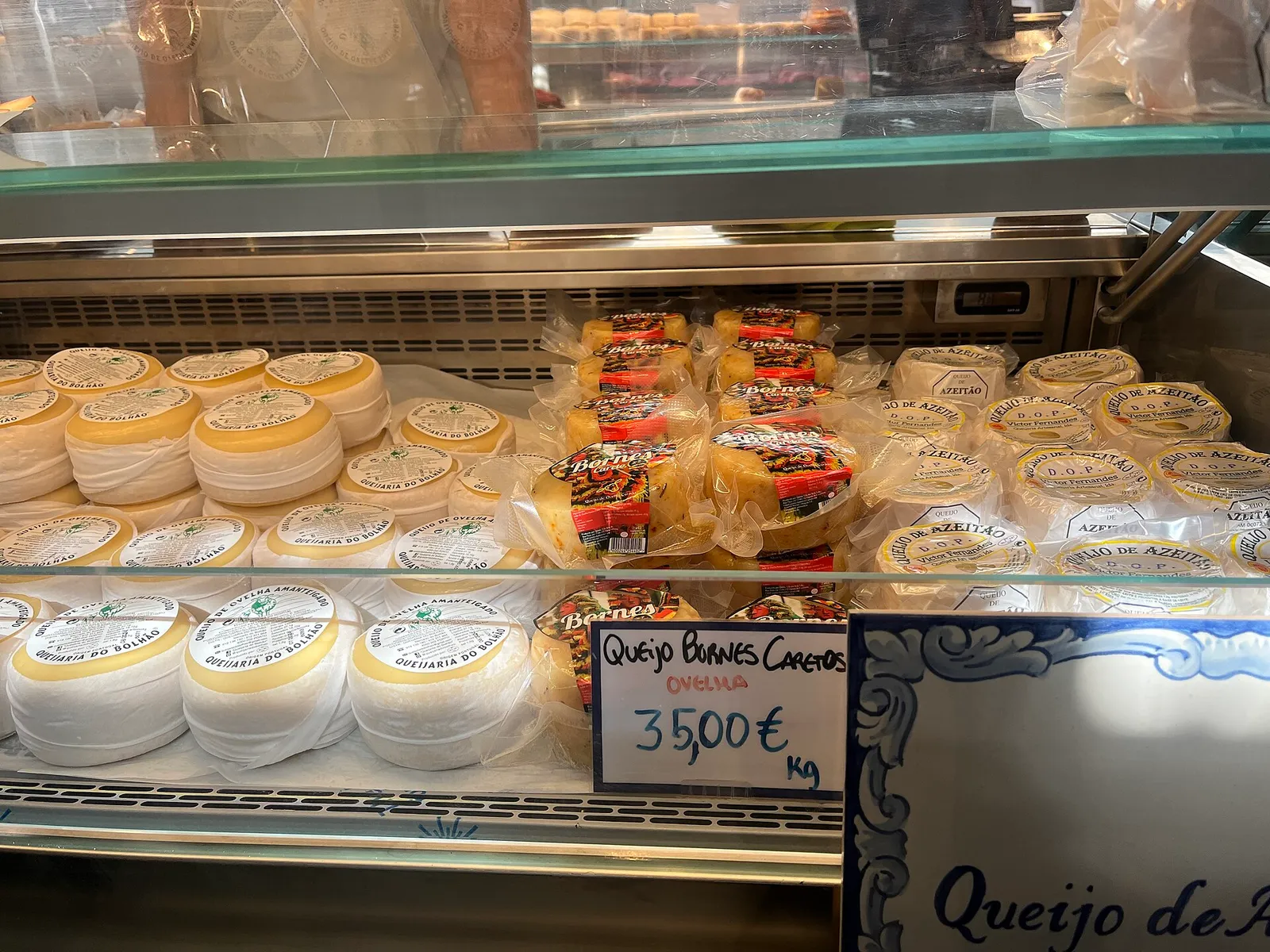
Make a shortlist before shopping. Write the recipient, the kind of food they enjoy, any ingredients they need to avoid and how much space you can give the gift. This makes a crowded display easier to navigate and reduces purchases made only because the packaging looks distinctive.
Compare three kinds of gift
Packaged biscuits can be easy to divide among recipients, but check ingredients, package size and how well the box will resist crushing. A sealed package does not answer every question about allergens or border entry.
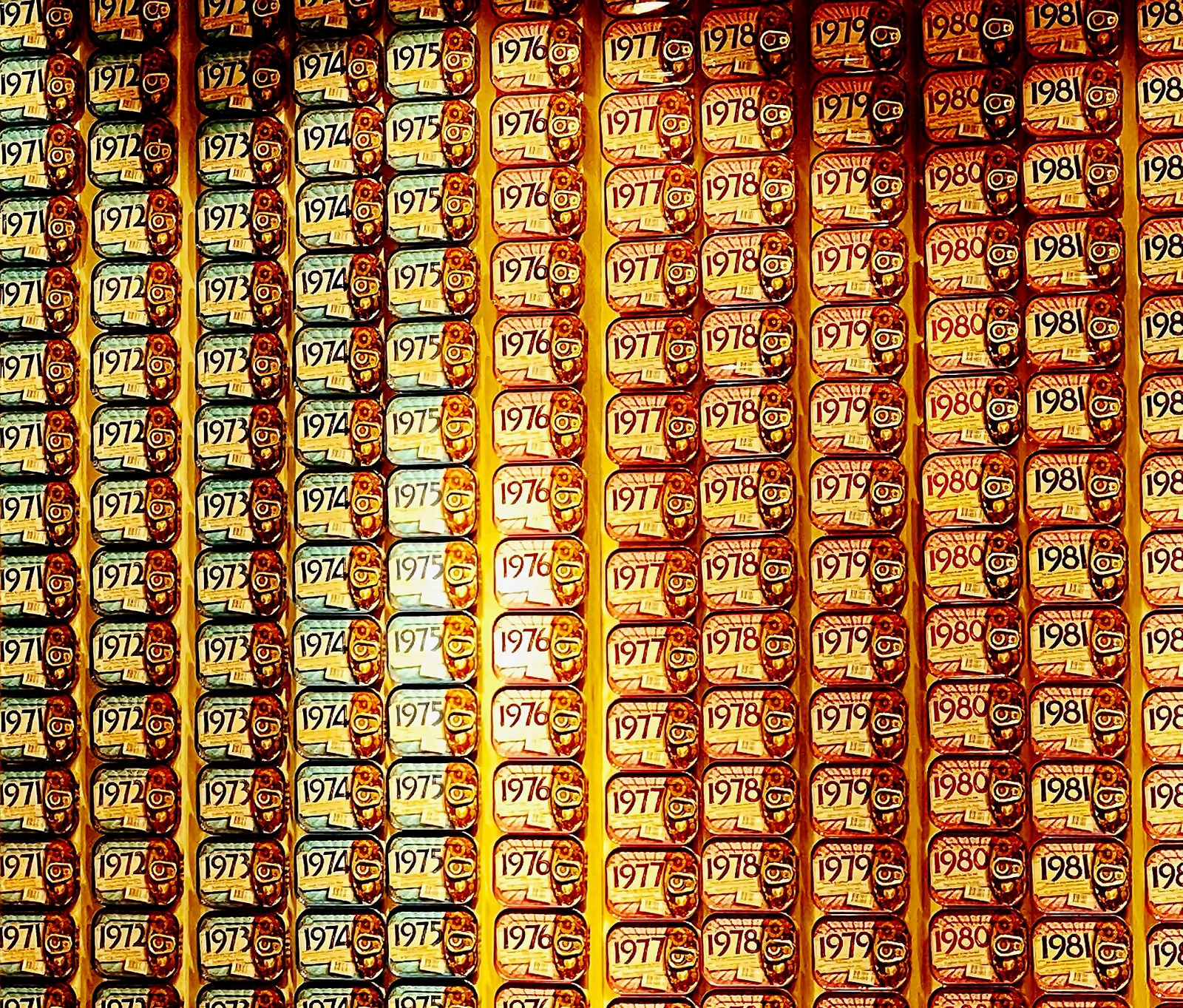
Tinned fish offers many product and packaging variations. Read the species, sauce, net quantity and storage instructions instead of treating every colorful tin as the same food. Ask which date is the product's actual date marking; a decorative year on a package is not necessarily a production or expiry date.
Bottled oil or another liquid gift needs a separate baggage check. Consider the container, leak protection and the weight added to the bag. Do not buy a large bottle on the assumption that it will pass through cabin-baggage screening.
| Candidate | Check on the product | Check for the journey |
|---|---|---|
| Biscuits | Ingredients, allergens, quantity and date marking | Crushing, bag space and destination requirements |
| Tinned fish | Species, sauce, condition and instructions | Baggage treatment and food-entry requirements |
| Bottled products | Contents, volume, seal and storage | Liquids rules, leakage and baggage weight |
These are comparison categories, not a statement that any particular food is permitted on every route.
Separate the three travel checks
First check the airline's baggage allowance and packing conditions. Second check the security guidance at the departure airport and at any point where you will be screened again. Third check the food-entry requirements of the destination, including any transit arrangements that apply.
Passing one check does not answer the others. Lisbon Airport publishes its own security-screening guidance, including the treatment of liquids in hand luggage. Read the current page before deciding how to pack a bottled product. Lisbon Airport security screening
For entry into the United States, CBP says travelers must declare all food and agricultural items. USDA APHIS provides product-specific guidance and recommends retaining original packaging and receipts as evidence of origin. Declaring an item does not itself establish that it will be admitted. CBP declaration guidance and USDA APHIS traveler guidance
For another destination, consult that country's official authority for the actual product. Do not substitute a seller's general assurance for your route-specific check.
Ask what the recipient needs to know
Keep the label readable and retain preparation or storage instructions. If the recipient cannot read the label, a short note can identify the product and point to the manufacturer's information. Do not guess at allergens or make a promise that an item is suitable for a particular diet.
Choose packaging for the use you intend. A large gift box may work for a household; several smaller units may be easier to distribute. Compare the food quantity and total price as well as the decorative packaging.
Put gifts in their own budget line
Set a total for all recipients before choosing the first item. Include any extra packing or baggage cost that the purchase would create. Keep this separate from meals so a souvenir display does not quietly consume the money reserved for dinner.
Our small travel-cost checklist helps account for these additions. For shopping during a market morning, leave enough flexibility to complete the checks before buying rather than deciding at the counter under time pressure.
Before paying
- Read the exact product label and inspect the packaging.
- Confirm who will receive it and how it will be used.
- Check storage and handling instructions for the journey.
- Resolve baggage, screening and destination-entry questions separately.
- Keep the receipt and original packaging.
Sources and planning notes
Official guidance checked on 12 November 2026. Product examples and the shopping method are editorial additions, not endorsements or a product-by-product customs ruling. Check the current rules for your route and product before buying; this article does not replace an official entry decision.
Cover photograph
Photo: F Delventhal from Outside Washington, D.C., US, Sardine Can with a Year on them. (50821094567).jpg.jpg), CC BY 2.0. Source date: Taken on 23 December 2019, 16:32. Wikimedia Commons supplied a proportionally resized version; no content changes by Roam & Plate.