The small costs that change a city-break budget
A budget often changes between the big bookings. Give small costs a place on the sheet, check what is included and keep a reserve separate from planned spending.
A city-break budget often changes through small additions between the large bookings. You buy a room and transport, then discover that bags need somewhere to go before check-in, breakfast is not included or a food gift needs more luggage space than expected.
The solution is to give those decisions a place on the sheet. Identify what is included, which small expenses are likely and which should come from a separate reserve if plans change. The point is not to avoid every extra; it is to choose them knowingly.
Look at the gaps around accommodation
Start before check-in and after checkout. If your room is unavailable, will you carry bags, use a property arrangement or pay for storage elsewhere? Check the actual service hours, conditions and price. A late departure does not automatically include a late checkout.
Ask the property to identify any charges payable outside the room quote, including any applicable local accommodation charge. Use the property's confirmed amount for your dates and occupancy instead of copying a rate from another city or an old article.
Keep a refundable deposit separate from the expected final spending. It can affect available funds without becoming a final cost if returned under the agreed conditions.
Count purchases that repeat
Two travelers buying two additional drinks a day create four purchases. The single price may look small while the repeated total changes the food allowance. Count the number of purchases as well as their unit price.
Use a simple hypothetical example: four extra drinks at €3 each over a day cost €12; repeated on a second day, that becomes €24. These are invented amounts for arithmetic, not current café prices.
The same method works for snacks, small transport trips and optional add-ons. Give a repeated purchase its own quantity rather than hiding it in a vague “miscellaneous” line.
Check how you will use transport
A ticket that looks inexpensive is useful only if it covers the journeys you need under its actual conditions. Check operators, validity, activation and any separate card or purchase requirement before comparing a pass with individual journeys.
Lisbon Metro and CARRIS publish their own ticket information. Consult the relevant operators for your plan rather than inferring coverage from a familiar product name. Lisbon Metro buying information and CARRIS occasional journeys
Keep a late or changed arrival as a separate scenario. A planned daytime journey does not establish what you will spend if you arrive after that service is available. Recalculate the fallback for the whole group, including the final approach to the property.
Give each small cost a decision point
| Possible addition | When to check | What to record |
|---|---|---|
| Luggage storage | Before booking arrival and departure plans | Hours, conditions and total for the bags |
| Breakfast | When comparing rooms | Included or separately paid; number of meals |
| Extra drinks or snacks | When setting the daily food allowance | Quantity and actual menu price |
| Changed transport | Before departure | The workable fallback and group total |
| Food gifts and packing | Before buying souvenirs | Purchase, packing and any added baggage cost |
| Mobile connection | Before traveling | Your own provider's applicable arrangement |
Only include an item if it applies. A checklist is not an instruction to purchase every service on it.
Keep gifts separate from meals
A shop display may be part of a food outing, but gifts should have a different budget line from lunch. Set an amount for recipients and consider the journey home before buying heavy tins or bottles. Our Portuguese food-souvenir checklist separates product, baggage and destination checks.
Likewise, a meal advertised with extras is not necessarily cheaper for your needs. Compare what you intend to order. Use the restaurant-menu comparison to keep drinks and optional items visible.
Close the budget with three totals
Keep confirmed spending, remaining allowances and the reserve separate. If an optional purchase uses the reserve, record that change; do not continue describing the original amount as untouched.
The two-person Lisbon weekend example shows €450 of hypothetical planned spending plus a €50 reserve. Your numbers may be different, but the separation makes it clear what is available for changes and what is already allocated.
After the trip, keep the costs you genuinely incurred and the items you did not need. That turns the next budget into a more useful plan without pretending that one weekend's prices apply to every season or traveler.
Sources and planning notes
Operator reference pages checked on 12 November 2026. Monetary examples are illustrative editorial calculations, not current fares, café prices or accommodation charges. Check actual services, provider conditions and quoted amounts before committing to a purchase.
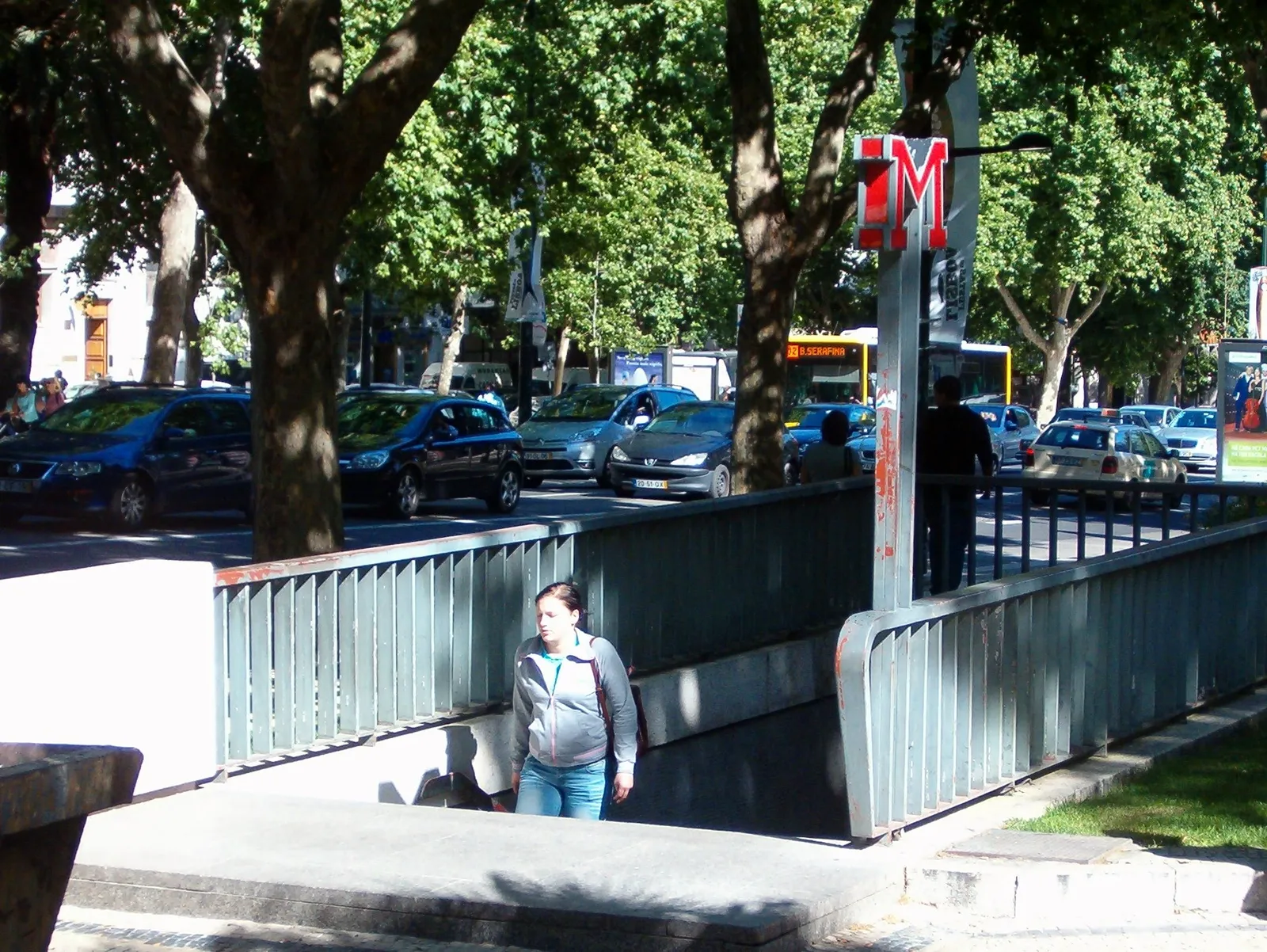
Cover photograph
Photo: Koshelyev, Avenida metro station in Lisbon 2.JPG, CC BY-SA 3.0. Source date: 19 May 2009, 16:06:35 (according to Exif data). Original source file; no changes by Roam & Plate.